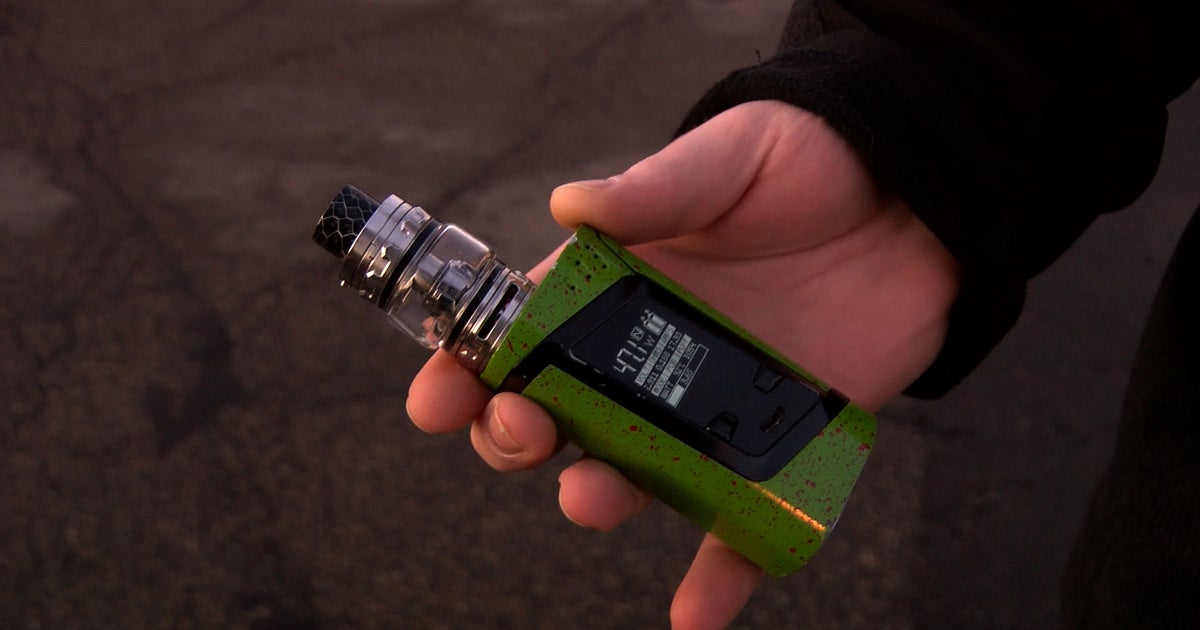
While all nicotine products carry some health risks , the type and severity of those risks vary greatly depending on the delivery method and ingredients
You don't smoke cigarettes
Harry S.N

Some of the causes of dry mouth in patients with cancer include: Immunotherapy (pembrolizumab (Keytruda), nivolumab (Opdivo), durvalumab (Imzinfi), atezolizumab (Tecentriq), etc.) Some chemotherapy agents Antihistamines (fexofenadine (Allegra), cetirizine (Zyrtec), loratadine (Claritin), diphenhydramine (Benadryl), etc.) Opioids (oxycodone (Roxicodone, Percocet), morphine (MSIR, MSContin, fentanyl (Duragesic), hydromorphone (Dilaudid), etc.) Diuretics (furosemide (Lasix), bumetanide (Bumex), torsemide (Demadex), hydrochlorothiazide (HCTZ), etc.) Medications with anticholinergic properties (meclizine (Antivert), scopolamine (Transderm Scop), hydroxyzine (Atarax, Vistaril), promethazine (Phenergan) Some antidepressants Mouth infection from fungus (candidiasis) or other microorganism Excessive salt intake Autoimmune disorders, such as scleroderma and Sjgrens syndrome Dehydration Damage to the salivary gland from surgery or radiation therapy to the head and neck area Graft-versus-host disease (side effect of bone marrow transplant) How to prevent Dry Mouth It is important to care for your mouth during cancer treatment to prevent dry mouth