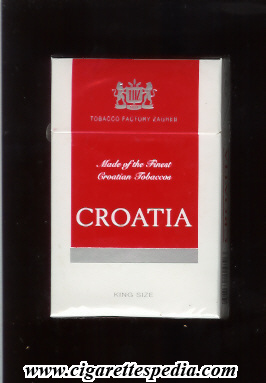
Other research suggests that among lower SES groups, pictorial cigarette warnings may lead to stronger effects in noticing the warning and thinking about smoking risks compared to those in higher SES groups because of the added benefits of the information contained in the pictorial warning (Refs
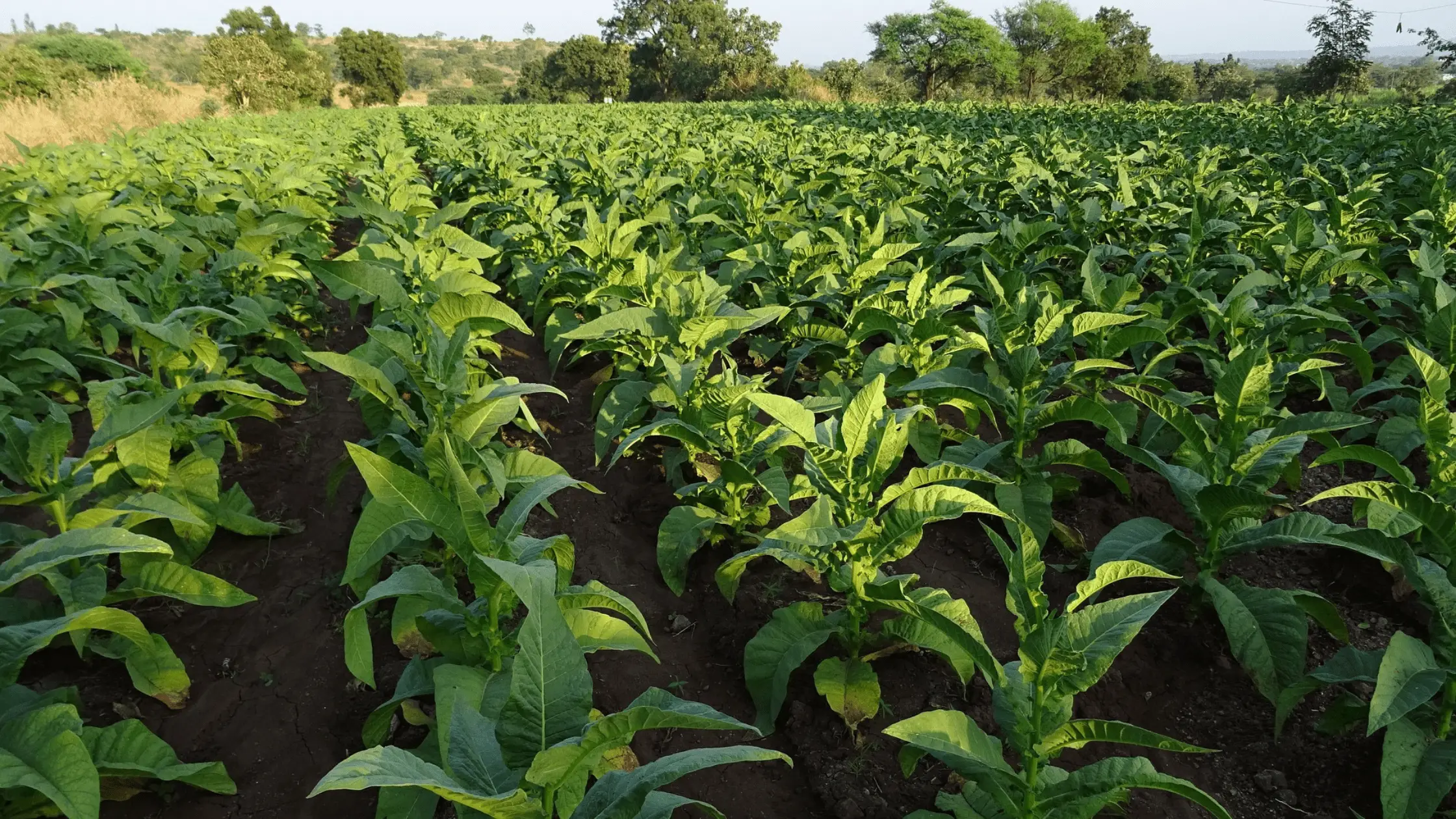
The shallow dive Looking at it from a birds eye view, the supply chain looks like this: Agriculture Growing tobacco on farms Logistics Getting tobacco from farms to where it can be processed Primary processing Sorting, stemming, redrying, blending and adding flavors and dyes More logistics Getting tobacco to manufacturers that do secondary processing Secondary processing Making filters, flavor capsules, paper, packaging and more, and ultimately manufacturing the final products that are sold to consumers Even more logistics Using transport, distribution and wholesalers to get finished products to retail settings where people can buy them Retail and marketing Selling packaged products like cigarettes, cigars, bidis, oral tobacco and more Use and disposal Smoking or using the tobacco products, then throwing them and their packaging out Tobacco not only causes harm when it is smoked, the tobacco industry can cause damage in nearly every one of these steps
Dobson added that the primary objective is ensuring that agricultural workers return home safely after emergencies
Have Changing Liability Rules Compensated Workers Twice for Occupational Hazards