Vol. XVIII · Free shipping $75+ · Read the collection
Feature · Product Review
oxygen dependent intracellular killing ros production glutathione

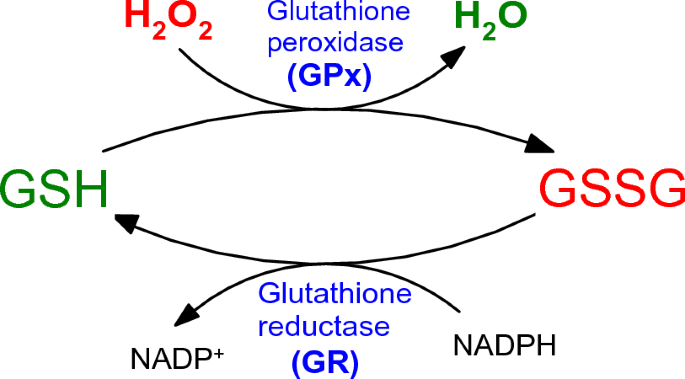
oxygen dependent intracellular killing ros production glutathione Sources of reactive species (ROS) and removal by superoxide Reactive oxygen species, toxicity, oxidative

Reactive oxygen species, toxicity, oxidative stress, and antioxidants: chronic diseases and aging Archives of Toxicology Springer Nature Link Summary. Depletion of glutathione (GSH) and increased ROS production Download Scientific Diagram Reactive Oxygen Species: Involvement in T Cell Signaling and Metabolism: Trends in Immunology Generation of reactive oxygen species (ROS) and their impact on cells. Download Scientific Diagram

SKU: 4401046117 · From webdevsolutions.tech

4.7
USD27.88 USD52.88

Pay in 4 interest-free payments of $6.97 Learn more

Shipping Estimate
USA
  • USA
  • CAN

Ships within 48 hours · Estimated delivery Aug 2 - Aug 7
Description

More recently, other IL-17 family members, namely IL-17C and IL-17E, have been reported to be expressed in psoriatic skin (18)

oxygen dependent intracellular killing ros production glutathione Sources of reactive species (ROS) and removal by superoxide Reactive oxygen species, toxicity, oxidative

For instance, protein peroxidation may acquire toxic functions by forming cytotoxic aggregates

oxygen dependent intracellular killing ros production glutathione Sources of reactive species (ROS) and removal by superoxide Reactive oxygen species, toxicity, oxidative

According to Charles Nduka, Consultant Plastic Surgeon and Chief Executive of Facial Palsy UK: Studies have shown that about a third of untreated Bells palsy patients will suffer long-term problems including facial disfigurement, facial spasms and chronic pain.' Read more Faster diagnosis of MS needed How to deal with varicose veins Five surprising things to protect against COVID-19

oxygen dependent intracellular killing ros production glutathione Sources of reactive species (ROS) and removal by superoxide Reactive oxygen species, toxicity, oxidative

The latter approach is appealing, as it avoids the depletion of T N caused by cumulative chemotherapy cycles, promotes better CAR-T expansion in vivo, and has the potential to improve survival outcomes [66,67,68]

oxygen dependent intracellular killing ros production glutathione Sources of reactive species (ROS) and removal by superoxide Reactive oxygen species, toxicity, oxidative
Exchange/Return Notes
  • We offer a 30-day return/exchange service after receiving.
  • Final sale items are not eligible for returns or exchanges.
  • To process your return/exchange, please contact us at [email protected]
  • Please click here for more details>>> Return & Exchange Policy

You may also like

recommand products