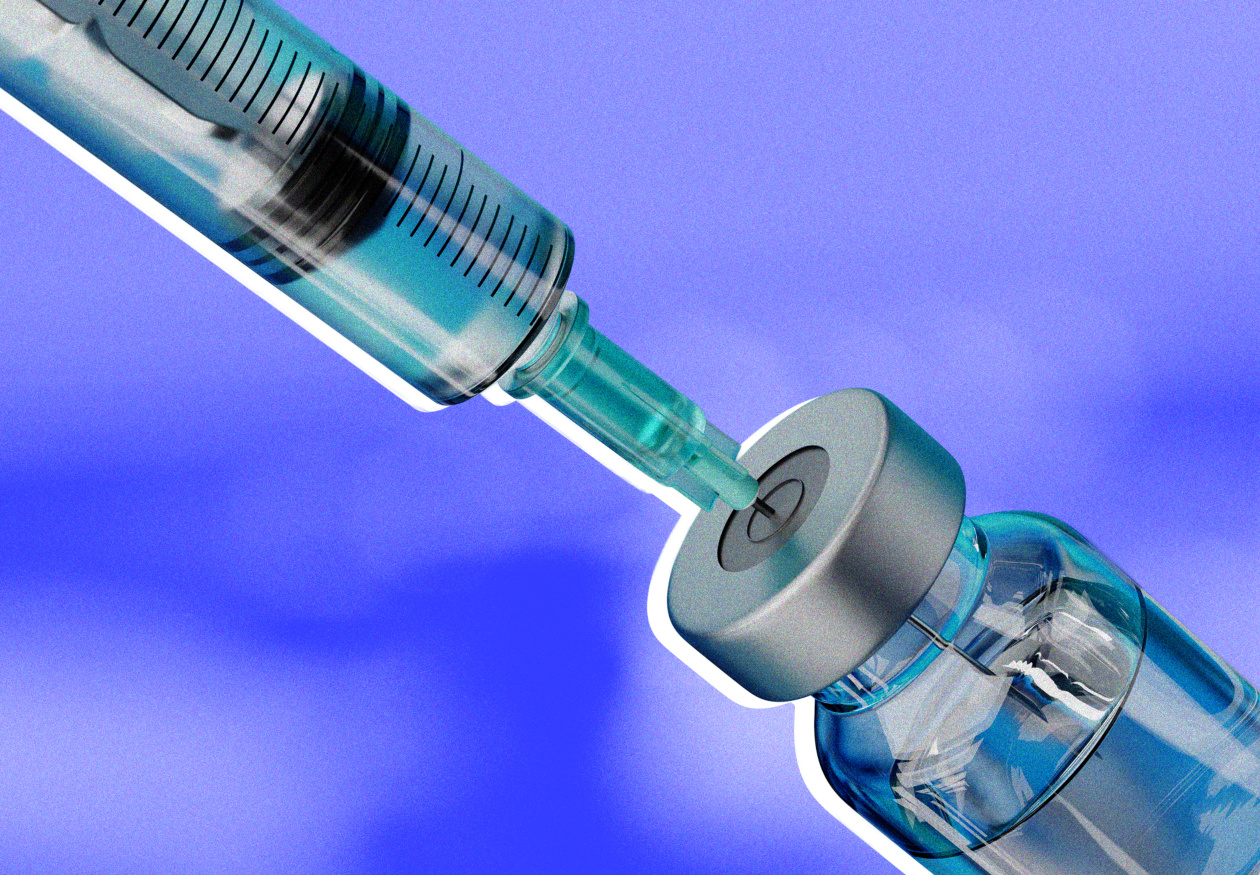
The guide walked me through every step clearly from sanitizing the workspace to adding the right amount of bacteriostatic water and gently swirling until it dissolved
Bacteriostatic Water: Contains preservatives to inhibit microbial growth Used to dissolve and dilute model peptides Has less chance of contamination than sterile water Sterile Water: Does not contain preservatives Used to dissolve peptides, but not recommended for long-term storage or dilution of model peptides More prone to contamination than bacteriostatic water Ultimately, it is up to the users preferences when deciding between these two liquids for peptide reconstitution
Therefore, less adhesion formation as well as reversing existing adhesions, the restoration of normal tissue structure and function, suggest that BPC 157 may act with the temporary role of fibrin in healing without adhesions that must be purposefully degraded by the fibrinolytic system (Collen, 1980
Key Takeaways "Safety" depends on context: Laboratory handling safety, compound purity, and clinical safety profiles are three different questions Purity is the #1 variable: A 98% pure peptide and a 70% pure peptide are not the same product contamination is the primary risk factor Third-party testing is the standard: Vendor-provided COAs are a starting point