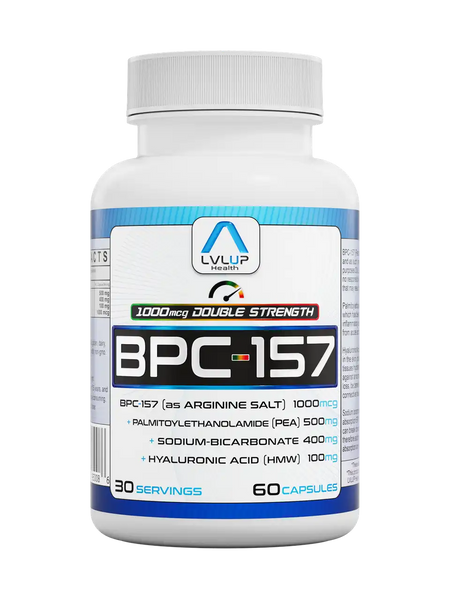
Practical Legal Implications For individuals in Germany and the EU, the legal status is clear: BPC-157 cannot be legally prescribed or obtained through pharmacies
According to the exploration results of the T1D patients or models, the following bacteria were mainly increased in abundance: Bifidobacterium longum (166, 167), Eubacterium rectale (168), Bacteroides uniformis (169), Lachnospira spp., Intestinimonas spp., Micrococcales spp (170)., Actinomyces spp (171)., Bacteroides spp (172)., Prevotella spp (168)., Ruminococcus spp (173)., and Veillonella spp (174)., whereas the bacterium with decreased abundance mainly includes butyrate-producing bacterium, lactic acid-producing bacterium, and mucin-degrading bacterium, such as Lactococcus , Lactobacillus ( 173), Streptococcus (174), Bifidobacterium , Proteobacteria (172), Subdoligranulum , Roseburia , Eubacterium , Anaerostipes (175), FP (176, 177), Clostridium clusters IV (178, 179), and XIVa (180, 181)
To reconstitute the BPC-157 peptide vial, use bacteriostatic water or sterile water
BPC-157 has shown potential in mitigating chemotherapy-induced toxicity, including gastrointestinal and organ damage, and systemic toxicity